

I haven’t written anything on The NBA Blog in many months. In fact, I haven’t published any content on this blog in the year of 2024. However, as I said in my farewell post, I may still occasionally post content if I do a cool data project of some kind or have an NBA-related interview that I want to share. This falls into the latter half, as I had the opportunity to chat with Marc Campbell, a friend who’s trained several NBA players. We talked about his journey, how he trains players, and what he’s done so far, and I can’t wait to share it with you.

Campbell’s journey begins as a collegiate basketball player in North Carolina. Born in 1986, the 6’0″ guard had a very successful playing career. After leaving high school as a Conference Player of the Year, All-State selection, and holding all-time assists and steals records (while finishing second in all-time points), Campbell began his college career playing at UNC Greensboro in 2005. However, after his freshman year, he transferred to UNC Chapel Hill. Campbell not only became a better player from playing on one of the best teams in the nation, but was a part of the 2009 National Championship winning squad.
After that successful college career, Campbell played professionally overseas in Germany and Estonia. However, when his playing career came to an end, he transitioned to training fellow basketball players. He started working with European players in 2017, but began working with NBA players in 2018.
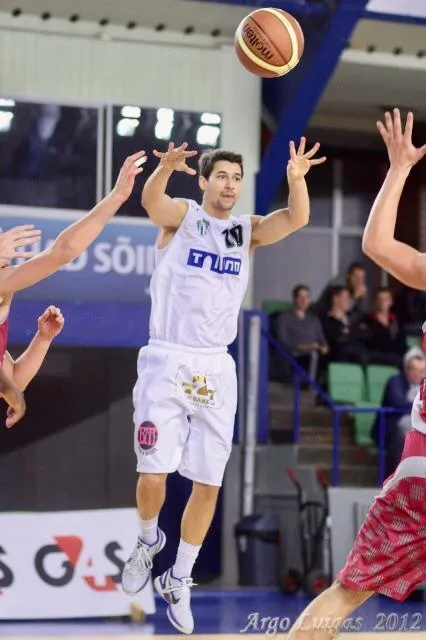
Becoming a trainer isn’t an easy transition for any basketball player. When you go to the gym as a player, you’re focused on yourself, and improving your game. However, when you go to the gym to train someone else, you’re there to help them. “It’s a lot more responsibility,” says Campbell, “And a different level of trust between that person, because they’re trusting you with their career. {It’s} a lot more detail oriented.”
Campbell had plenty of experience in basketball, as he knew what it took to play at the highest levels in the world. But, that’s not all. A few years after college, Campbell and fellow teammate Danny Green (yes, that Danny Green) founded GC Hoops. GC Hoops was designed to be a place where you could find drills and everything that you would learn in a clinic online. Campbell distinctively remembers watching a Steve Nash workout video on ball-handling religiously, to the point where he had the whole thing memorized. However, there wasn’t much content like that when Campbell was growing up, and so he set out to change that.
GC Hoops was very successful, with over 1,000 free drills and an impact on everyone from young kids with NBA dreams to 40-50 year old guys playing pickup. However, once Campbell delved further into training and Green began winning championships in the NBA, GC Hoops had to take a backseat to their primary careers.

For those wondering where Obama’s awe-inspiring jump shot came from, look no further than this picture 😂
It took some time, but once Campbell had a steady plan for how to help every NBA player he worked with, the magic started. The first thing Campbell does is watch every single game that his client has played in. As he watches (generally using NBA League Pass or Synergy Sports), he pulls clips from their plays, and separates them into different areas to improve on.
“It probably takes 12 or so games to really start to see what the buckets are, that each clip is being moved into, and the pattern starts to really emerge.”
After 20-25 games, Campbell feels that he has a pretty good sense of what the player does well and what the player needs to improve, and it’s easy to see the epicenters of their game. He goes in watching film with no previous conceptions, but comes out knowing the player better than they know themselves.
No matter what the skill of the player is, Campbell uses the same process every time to create an evaluation of a player. However, once he has all his info, how he works with the player depends on the role that they play.
Context is everything, Campbell tells me. If he’s working with a guy that the offense runs through, then they have more freedom to make plays on the court, and should work on scenarios specific to being the best player on a team. However, if Campbell’s working with a fringe rotation player, then they work on reads and situations that the player might be put in, so they are well prepared and can exceed in those positions, earning more minutes.
At the center of all of Campbell’s training is shooting. You can shoot from anywhere on the court, and it’s the key to the game. “If you can improve that, it’ll raise the tide for everything else,” Campbell says. Closeouts on you will become faster and harder, making it easier to blow by defenders. The defense becomes more concentrated on you, opening up easier looks for your teammates. It’s why shooting is the most important skill in basketball today.
Campbell works on three different parts of his clients’ shots and their shot preparation, which are:
- Generating the power
- Loading the power
- Rhythm and balance
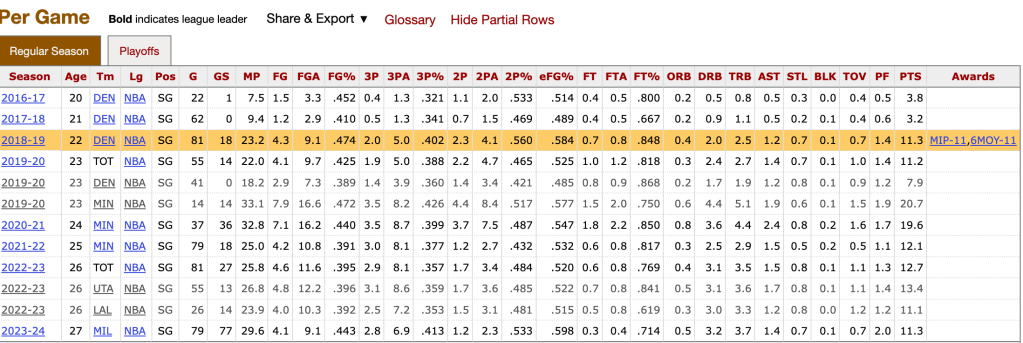
Can you guess what year Campbell started helping this NBA player with his shooting? (hint: it’s highlighted)
The offseason is the time when Campbell works with players more in-depth, whether it be on fixing their shot or other parts of the game. Adjusting an NBA player’s shot or working on other major parts of their game takes a lot of time, precision, and willingness to fail before getting it right. However, during the season, training sessions function as tune-ups, to make sure everything is still working as it should. Campbell equates it to vitamins: during the season, the player takes vitamins (training sessions) frequently so that they don’t become sick (with poor shooting splits).
The season is where the improvements are really shown. With Malik Beasley (whose shooting stats were shown above), Campbell remembers seeing the improvement in games. He would text back and forth with Beasley’s agent, seeing a real difference in the areas they worked on. Not only did Beasley improve during the 2018-19 season, he also finished 11th in voting for 6th Man of the Year and Most Improved Player. How’s that for one offseason of work?
Beasley is far from the only player who’s improved with Campbell’s training. Other clients have gone on to be named to All-NBA teams, All-Star appearances, and next contract offers tend to jump 5-7 times after working with Campbell. You can check out the full impact Campbell has on this website, but if you’re too lazy to click on it, here are some of the key statistical changes for players after one year working with Campbell:
+4.95 Points Per Game
+1.25 Assists Per Game
+343.5% Three-Pointers Made Per Game
+871.4% Games With Multiple Threes Made
+6.4% Three-Point Percentage
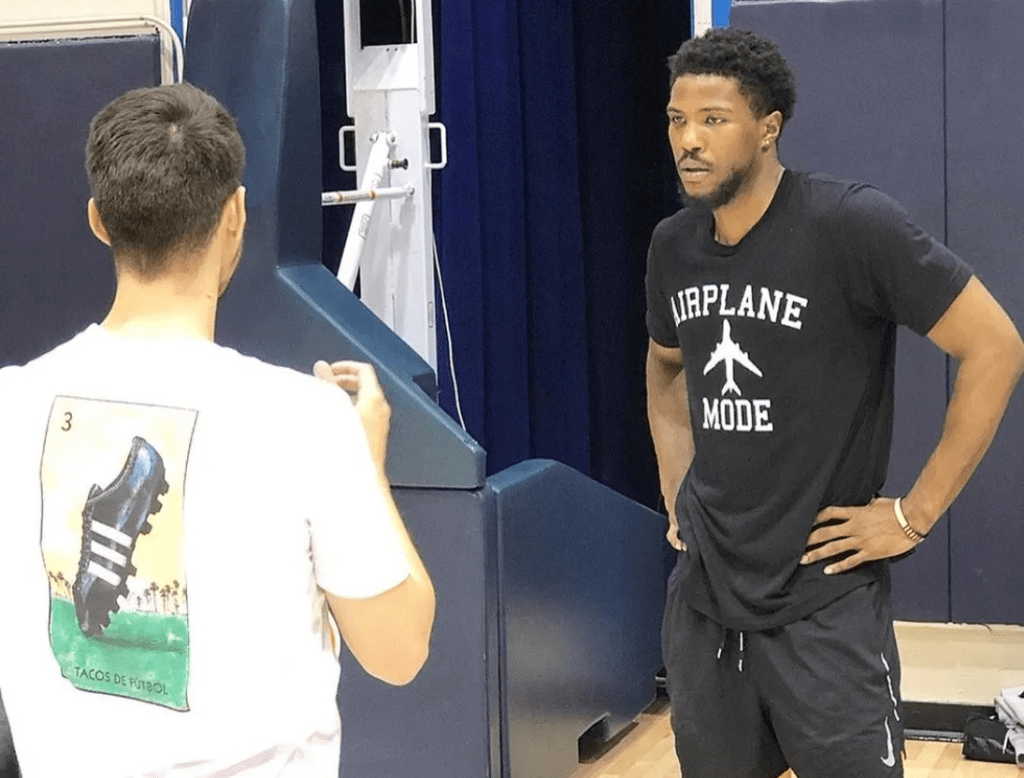
Campbell normally flies to various team gyms to work with players at their home court, and has lived in multiple places across the US. However, he’s putting down roots in Raleigh, North Carolina. It’s where he became a high school legend, played for one of the best colleges in the country, and is starting a family, with a baby girl on the way. To give back to the community that raised him and become a part of the local (yet large) basketball scene in Raleigh is something he plans to do as well. He’s not exclusive to helping NBA players, having helped overseas pros and high school players as well. Still, whenever you watch an NBA game and see a guy having an amazing shooting night, you can wonder in the back of your brain: hmmm; does Marc Campbell train that guy?
To learn more about Marc, check out his Substack, Low Man Help. Thank you to Marc for a great interview and for the pictures used!
 NBA Blog